
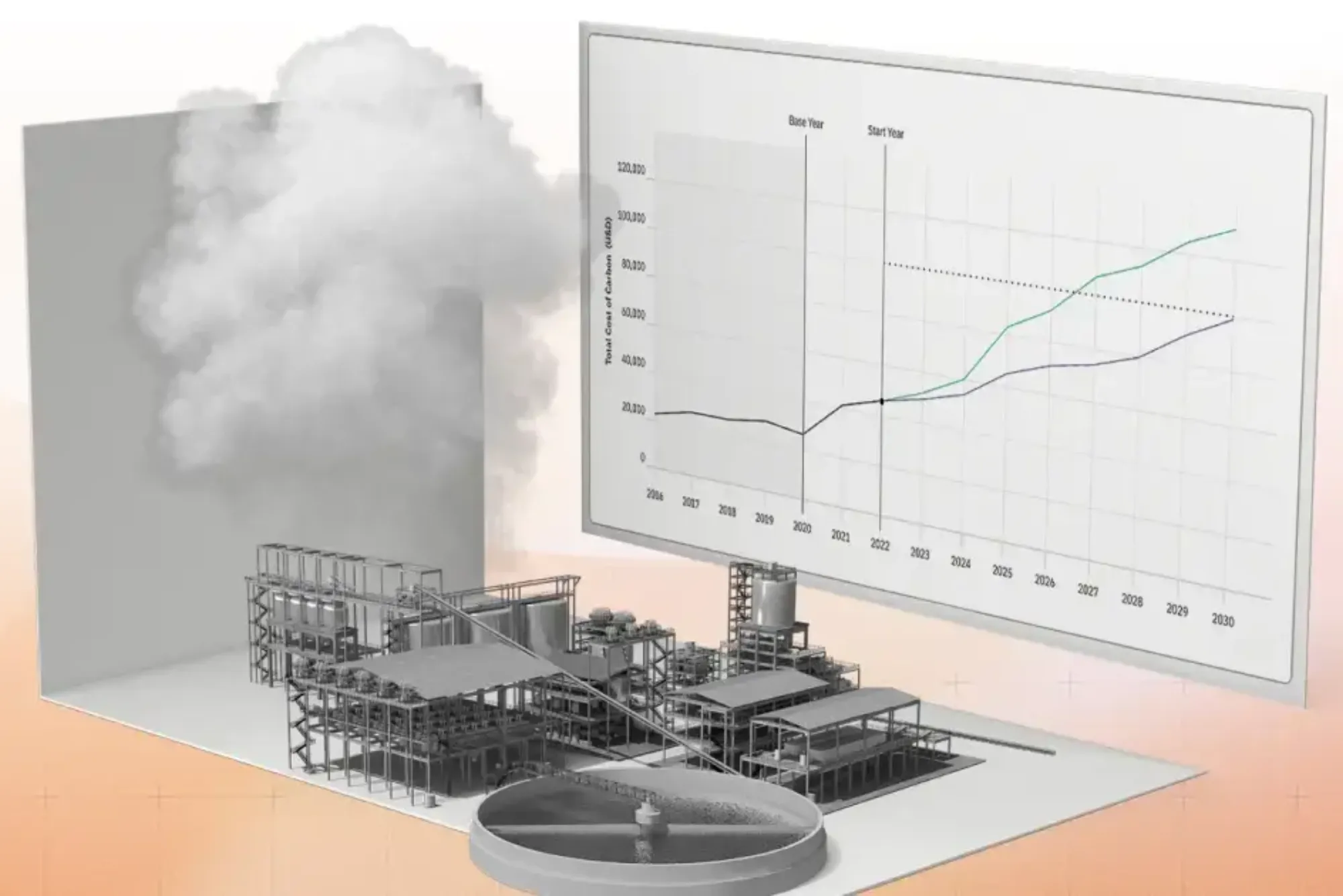
In an era of climate urgency, carbon footprint calculation tools have become essential for individuals, organisations, and governments aiming to quantify and reduce greenhouse gas (GHG) emissions. From small lifestyle choices to corporate sustainability goals, these tools help translate habits into measurable environmental impact—an indispensable step toward global and regional net‑zero targets.
Why Carbon Footprint Calculation Matters Today
Quick Answer: Measuring emissions is the first actionable step toward sustainable decision‑making.
Accurate carbon footprint measurements provide transparency into how activities—like energy use, transport, or product lifecycle—contribute to global warming. The data used by tools are often aligned with international standards such as GHG Protocol and ISO methodologies, giving users structured insights for mitigation planning. Government programmes across the UAE and GCC increasingly require emissions disclosures and sustainability reporting for larger organisations. (green.earth)
Growth of Digital Carbon Footprint Tools
Quick Answer: Digital tools with AI and real‑time tracking are redefining footprint measurement.
Recent trends show carbon footprint tools integrating AI, automation, and real‑time data analytics, allowing for dynamic monitoring of emissions. Platforms today don’t just calculate totals—they provide actionable insights and smart strategies to reduce emissions. For example, some tools offer dashboards that suggest energy optimisation and behaviour changes. (carbonmapia.com)
Categories of Carbon Footprint Calculators
Quick Answer: Tools vary by user needs—from personal lifestyle to business operations.

Depending on the audience, carbon tools fall into distinct categories:
-
Personal calculators: Estimate household or individual emissions based on lifestyle factors like travel, energy use, and diet. (ecocalc.org)
-
Business calculators: Designed for organisations to estimate Scope 1, 2, and increasingly Scope 3 emissions. (green.earth)
-
Product carbon footprint tools: Measure cradle‑to‑grave emissions in product lifecycle assessments. (carbalyze.com)
For anyone beginning this journey, a reliable carbon footprint calculator like the one at Needs Calculator can help quantify emissions across a wide range of activities and sources, forming the basis for more advanced sustainability planning.
🔗 https://needscalculator.com/environmental-carbon‑footprint
Making Calculations Actionable: Insights and Recommendations
Quick Answer: Beyond numbers, insights drive real emission reductions.
Modern carbon footprint tools increasingly integrate “recommendation engines” that suggest practical reduction tactics—from switching to renewable energy sources to optimising transport usage. For businesses, these insights help align operations with environmental disclosure standards and ESG frameworks, while individuals are empowered to adopt sustainable habits with measurable outcomes. (green.earth)
Regional Sustainability Policies & Carbon Accountability
Quick Answer: UAE and GCC are strengthening carbon policies that mandate measurement.
Governments in the UAE have taken ambitious strides via climate laws, green building codes, and net‑zero commitments, mandating more rigorous carbon tracking at the enterprise level. These policies make carbon footprint tools not just useful—but necessary for compliance and competitive advantage. (theplanetfirst.org)
How to Choose the Right Carbon Footprint Tool
Quick Answer: Choose based on scope, accuracy, scalability, and future goals.
When selecting a carbon footprint solution, consider:
-
Scope covered: Does it include direct (Scope 1), indirect (Scope 2), and supply chain (Scope 3) emissions?
-
Methodology: Standardised protocols like ISO 14064 ensure credibility.
-
Ease of use: Intuitive interfaces help wider adoption across teams.
-
Actionability: Tools that provide reduction strategies lead to measurable impact.
Platforms like Needs Calculator offer a strong starting point for individuals and organisations ready to calculate smarter with Needs Calculator and convert emission figures into strategic climate action.
The Role of Education & Youth in Sustainability
Quick Answer: Empowering youth strengthens the sustainability pipeline.
Youth education has become integral to climate strategy in regions like the UAE, where government‑backed training programmes and sustainability challenges encourage young innovators to use carbon footprint tools for community‑level impact. These initiatives build capacity for future climate leadership.
Best Practices for Organisations
Quick Answer: Systematic measurement and reporting lead to lasting impact.
For businesses, best practices include:
-
Annual footprint assessments: Establish baselines and identify hotspots.
-
Benchmarking and targets: Use consistent frameworks for trend analysis.
-
Cross‑department engagement: Involve teams from operations, procurement, and logistics.
-
Transparent reporting: Communicate results publicly to build stakeholder trust.
Adopting these practices ensures a data‑driven approach that not only meets regulatory expectations but also enhances brand sustainability credentials.
Emerging Innovations in Carbon Calculation
Quick Answer: AI and integration are transforming precision and usability.
New generation tools are leveraging AI, machine learning, and automation to analyse complex data sets and offer predictive insights. This trend makes footprint calculation more accessible for SMEs and tech startups alike, equipping them with near‑real‑time insights that inform rapid decision‑making.
Top Trends to Watch in 2026 and Beyond
Quick Answer: Interoperability, standardisation, and real‑time tracking are key.
Looking ahead, several trends will shape carbon footprint tools:
-
Interoperability: Seamless integration with business systems and IoT devices.
-
Standardisation: Increasing alignment with international reporting requirements.
-
Real‑time tracking: Dynamic emissions reporting will replace annual snapshots.
These innovations will empower users at every level to achieve more accurate, efficient, and actionable carbon tracking.
FAQs
1. What’s the difference between carbon footprint and ecological footprint?
A carbon footprint focuses on greenhouse gas emissions, while an ecological footprint measures the broader environmental impact including land and water use.
2. Can I use the same calculator for personal and business emissions?
Personal calculators focus on lifestyle, while business calculators cover organisational operations and multiple emissions scopes.
3. How often should a business calculate its carbon footprint?
Most organisations perform annual assessments to track progress and meet sustainability reporting timelines.
4. Are carbon footprint results used for regulation compliance?
Yes—many national frameworks require quantified emissions data for environmental reporting.
5. Do carbon calculators follow global standards?
High‑quality tools often align with GHG Protocol and ISO standards to ensure credibility.
6. Can individuals reduce their footprint meaningfully?
Yes—behaviour changes like reducing travel or using renewable energy options can significantly impact results.
7. Is it costly to adopt advanced carbon footprint tools?
Many tools offer scalable pricing, and free options exist for basic estimations, making them accessible across needs.
Final Thought
As someone who has observed sustainability trends across the UAE and beyond, the evolution of carbon footprint calculation tools signals a significant shift toward evidence‑drivenenvironmental decision‑making. Tools that once provided static figures now offer dynamic insights that can shape corporate strategy and everyday choices. Integrating these tools into education, policy, and business practices will be essential as regions like the UAE accelerate their climate goals. And as digital innovation continues to democratise access to accurate emissions data, users at every level will be better equipped to act on climate—whether through a local initiative in Dubai or a global corporate programme—as we collectively pursue measurable sustainability outcomes.
Related Reading: Laser engraving machine cost factors?
Related Reading: What Are SEO Tools for B2B Brands and Which Features Matter Most in 2026 — full guide
Related Reading: Why Proxy-Seller Is the Go-To Proxy Provider for Digital Pros