Introduction
Cats are notoriously picky when drinking water. In the wild, running streams signal freshness and safety. Stagnant water in a traditional bowl often triggers suspicion. Domestic cats have a low thirst drive. They inherited this trait from desert-dwelling ancestors. Consequently, they frequently suffer from mild dehydration. This hidden danger leads to severe urinary tract issues. Kidney disease is another major long-term risk. Hydration is only half the battle for owners. Many cats develop painful black crusts on their jaws. Veterinarians identify this common issue as feline acne. Plastic bowls harbor bacteria within tiny scratches. This directly causes stubborn breakouts and swollen skin bumps. Upgrading to the best stainless steel cat water fountains to prevent feline chin acne and dehydration solves both problems instantly. Stainless steel surfaces are smooth and non-porous. They resist bacterial buildup effectively every single day. Running water encourages cats to drink more frequently. Choosing the right fountain protects skin and kidney health.
Understanding Feline Chin Acne and Its Hidden Causes
Feline acne affects cats of all ages and breeds. It manifests as blackheads and pimples on the chin. Many owners blame food allergies or poor grooming habits. However, the root cause is often everyday feeding dishes. Traditional feeding bowls made of plastic are primary culprits. Plastic scratches easily when cats paw at food. Abrasive washing sponges also create microscopic surface grooves. These tiny crevices become breeding grounds for harmful bacteria. Staphylococcus pathogens thrive inside these dark, moist spots. Every time your cat drinks, bacteria transfer onto skin. Constant moisture from bowls creates microbial proliferation rapidly. Hair follicles become blocked and form painful pustules. Left untreated, these lesions cause severe bacterial dermatitis. Switching materials breaks this frustrating and painful cycle. Understanding these triggers empowers better daily pet care decisions. Proper hygiene stops infections before they start. Monitoring your cat’s chin daily helps catch early warning signs.
Why Stainless Steel Outperforms Plastic and Ceramic
Material choice matters when selecting pet water dishes. Plastic degrades quickly and absorbs pet oils. It harbors stubborn bacteria despite rigorous daily washing. Ceramic bowls appear safer, but carry hidden risks. Lower-quality ceramic glazes can contain toxic lead. They also develop microscopic cracks over time. Once the glaze chips, porous clay absorbs bacteria. Stainless steel represents the gold standard in veterinary hygiene. It features a completely non-porous solid metal surface. Pathogens cannot cling to high-grade steel structures. The drinking water remains clean and safe daily. Stainless steel does not leach weird tastes into water. Cats possess sensitive palates and reject strange flavors. Food-grade metal remains completely neutral and odorless. It withstands heavy scrubbing and dishwasher cycles effortlessly. Investing in durable metal equipment saves future vet bills. Superior material construction guarantees long-term health benefits.
How Running Water Boosts Feline Hydration Levels
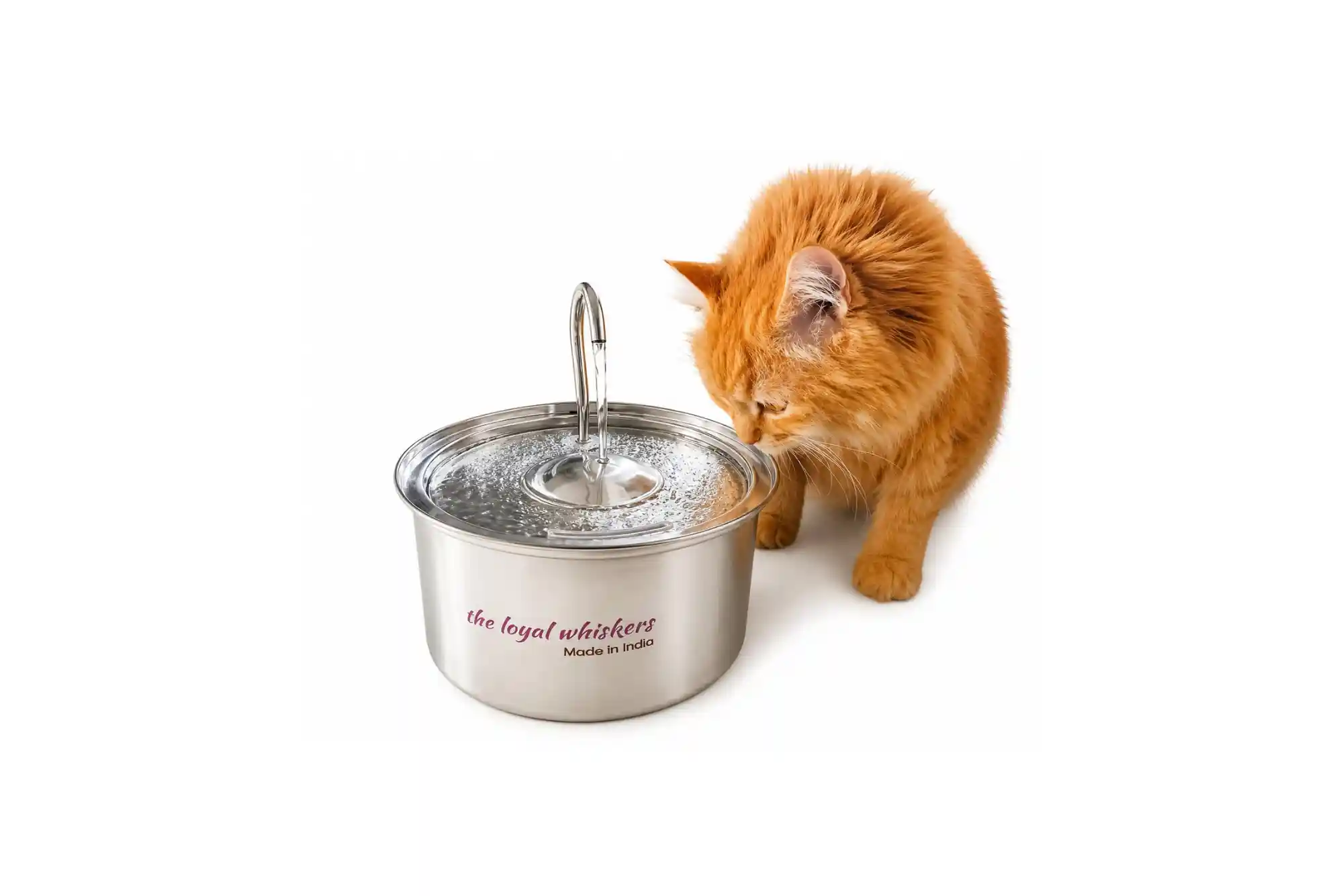
Indoor cats rarely drink enough from static bowls. Their instinct warns that standing water harbors bacteria. Moving water signals freshness like natural forest streams. Fountains create a continuous, gentle stream that attracts cats. The sound of trickling water stimulates natural drinking instincts. Plugging in a quality fountain increases daily water intake. Adequate hydration flushes toxins from the renal system. It prevents painful bladder stones and urinary infections. Cats with kidney disease benefit immensely from fountains. Furthermore, fountains aerate water and increase oxygen levels. Fresher water simply tastes better to a feline palate. Encouraging daily hydration becomes effortless with flowing water. Proper fluid intake supports long-term organ function. Fresh flowing streams reduce the risk of emergency veterinary visits.
Key Features to Look For in a Quality Pet Fountain
Shopping for a water fountain requires careful evaluation. Not all pet fountains meet high skin health standards. You must examine the filtration system before buying. A multi-stage filter removes hair, debris, and chlorine. Motor quality dictates longevity and overall device performance. Look for ultra-quiet submersible pumps that run silently. Loud humming noises frighten timid cats away. Ease of cleaning is another critical factor to review. Complex fountains with hidden tubes accumulate slime rapidly. Choose dishwasher-safe models that disassemble in seconds. Cordless pump designs simplify daily maintenance routines. Simple construction prevents hidden mold and bacterial growth. Reliability ensures consistent operation over the years. Quality manufacturing guarantees safe drinking water for pets.
Top Stainless Steel Fountain Designs for Sensitive Skin
The market offers various configurations for different households. Flower top designs provide multiple gentle bubbling streams. Spout configurations mimic a running bathroom faucet. Wide basin models prevent uncomfortable feline whisker fatigue. Whisker fatigue occurs when facial hairs touch rims. Stainless steel basins that are wide eliminate this stress. Some advanced models include smart low-water LED indicators. Others feature emergency battery backups during power outages. Selecting a design matching your cat guarantees acceptance. A reluctant cat needs an engaging water flow. Evaluating these nuances ensures your investment works well. Aesthetic appeal also fits modern home decor seamlessly. Choosing the correct style keeps pets happy and healthy.

Daily and Weekly Maintenance for Optimal Skin Health
Owning a stainless steel fountain requires regular upkeep. Even metal surfaces need cleaning to prevent biofilm. Biofilm is a slippery matrix of bacterial colonies. Rinse the fountain basin and wipe surfaces every day. Refill the reservoir with fresh, filtered water. Once a week, dismantle the entire unit completely. Wash every component with mild dish soap and water. Scrub the pump intake to remove trapped pet hair. Soak plastic parts in vinegar if scale builds up. Replace the carbon filter every two to four weeks. Neglecting filter replacements allows bacteria to return. Establishing a strict cleaning routine prevents chronic acne. Diligent maintenance ensures crystal-clear water supply. Clean equipment promotes a healthy immune system.
Transitioning Your Cat to a New Water Fountain
Introducing a novel device requires patience and strategy. Cats despise sudden changes in their territory. Do not remove old water bowls immediately. Place the stainless steel fountain near existing bowls. Keep it unplugged initially for safe investigation. Let your cat get used to its physical presence. After a day, plug the fountain in on low. Entice your cat closer by placing treats nearby. Never force your cat toward the flowing water. Most cats investigate out of curiosity quickly. Once they drink regularly, remove old bowls. Patience ensures a smooth transition without stress. Positive reinforcement builds trust with new equipment. Gradual introduction prevents unnecessary anxiety in sensitive cats.
Common Myths About Feline Acne and Hydration
Misinformation abounds regarding feline health and care. Many owners believe human acne treatments work on cats. Applying human medications to a cat’s chin is toxic. Cats groom constantly and ingest topical treatments. Another myth suggests cats regulate water intake perfectly. Modern indoor cats on dry diets face chronic dehydration. Relying solely on dry food strains internal organs. Some assume stainless steel never gets dirty. While steel resists bacteria, invisible biofilm still forms. Debunking these myths helps you provide proactive care. Knowledgeable pet parents make better wellness decisions. Scientific understanding improves overall pet longevity. Critical thinking protects animals from harmful practices.
Frequently Asked Questions
Can stainless steel cat fountains rust over time?
High-grade stainless steel like grade 304 resists rust. Low-quality metal alloys might develop rust spots eventually. Always choose reputable brands specifying food-grade steel.
How often should I change the water in a cat fountain?
Top off water daily and replace the reservoir every two to three days. Regular changes prevent dust and debris accumulation.
Why is my cat afraid of the new water fountain?
Cats are sensitive to unfamiliar sounds and visual changes. Unplugging the fountain initially helps them adjust safely.
Can stainless steel fountains completely cure feline acne?
Switching materials eliminates the primary bacterial reservoir. Combined with veterinary guidance and cleaning, it resolves acne.
Do stainless steel fountains require electricity at all times?
Most standard fountains require continuous electrical connection. Some modern models feature motion sensors or rechargeable batteries.