
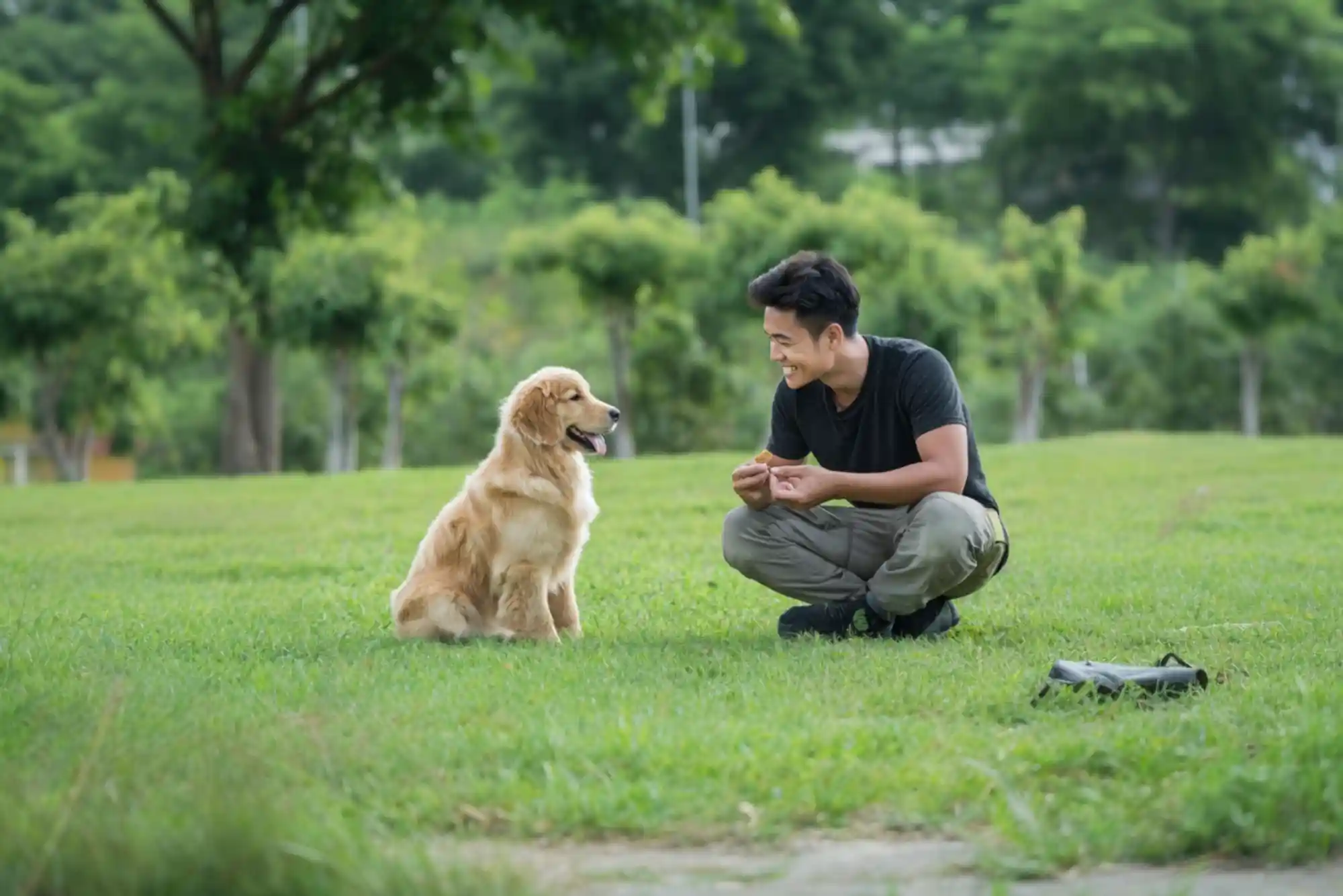
Introduction
Teaching a dog an emergency recall command is one of the most valuable skills you can develop as a dog owner. A reliable recall can bring your dog away from a road, another animal, dangerous food, open gates, or other hazards when seconds matter. Unlike an everyday “come” cue, an emergency recall should be reserved for situations where you genuinely need your dog to return immediately.
The key to successful emergency recall training is not louder commands or punishment. It is creating such a strong positive association with one special word or sound that your dog automatically turns toward you and races back. Reward-based training, gradual increases in distance, and carefully controlled distractions help build this response.
A perfect recall cannot be guaranteed in every situation. Even a well-trained dog may hesitate when frightened, injured, highly aroused, or faced with an overwhelming distraction. The goal is to make returning to you the safest and most rewarding choice your dog knows.
What Is an Emergency Recall?
An emergency recall is a special cue that tells your dog, “Stop what you are doing and come to me immediately.” It can be a unique word, phrase, whistle, or other sound.
The important point is that this cue should not be used casually. If you use the same emergency word whenever your dog ignores you, comes inside, gets a bath, or loses access to something enjoyable, its value can gradually disappear.
Think of the emergency recall as an emergency brake. You practice it regularly, but you do not pull it for every ordinary stop.

A normal recall might be “Come.” An emergency cue could be a completely different word such as “Here now!” or a distinctive whistle. Choose something you are unlikely to say accidentally in everyday conversation.
Why Emergency Recall Training Matters
Dogs naturally investigate interesting smells, animals, people, food, and movement. In an open environment, your dog may notice something long before you do.
A strong recall can help interrupt potentially dangerous behavior before it becomes an emergency. It may allow you to call your dog away from a busy road, unfamiliar animal, broken fence, poisonous substance, or unsafe area.
It also gives your dog greater freedom. A dog that responds reliably can enjoy appropriate off-leash opportunities in secure, legal areas with less risk.
However, recall should never replace basic safety measures. Fenced areas, leashes, harnesses, identification tags, and responsible supervision remain important.
Choose a Special Emergency Recall Cue
The first step in emergency recall training is selecting a cue that is easy to remember and difficult to confuse with normal conversation.
Avoid a word you already use frequently. If you have repeatedly shouted “come” without getting a response, consider creating a fresh emergency cue rather than trying to force new meaning into a heavily used word.
A whistle can also work well because it produces a consistent sound and can carry farther than a normal speaking voice. A verbal cue is equally practical if you can say it consistently.
Once selected, protect the cue. Do not use it when you are annoyed, when you simply want your dog to stop playing, or when you cannot reasonably reward the dog for returning.
Build a Powerful Positive Association
Before asking your dog to perform an emergency recall, teach them that the cue predicts something exceptionally good.
Start in a quiet room where your dog is relaxed. Say the emergency cue once and immediately give an unusually valuable reward.
You are not asking your dog to cross the room yet. You are simply teaching the meaning of the sound.
Repeat this process during short sessions. The reward should be something your dog genuinely loves. For a food-motivated dog, tiny pieces of cooked chicken, turkey, cheese, or another veterinarian-approved treat may be more exciting than ordinary kibble.
For a toy-motivated dog, a favorite toy or short game can work.
The goal is to create an automatic emotional response:
Emergency cue = something wonderful happens.
This conditioning stage is especially important because an emergency cue needs to be stronger than an ordinary command. Trainers commonly recommend repeatedly pairing the special cue with high-value rewards before testing it in difficult environments.
Start With Very Easy Recalls
Once your dog gets excited when hearing the emergency cue, begin asking for an actual return.
Stay only a few feet away. Give the cue once, use an enthusiastic voice, and encourage your dog toward you if necessary. As soon as your dog reaches you, deliver a generous reward.
Make the arrival feel like a celebration.
Avoid immediately grabbing the leash and ending the fun. Instead, reward your dog, praise them, and sometimes release them to continue whatever enjoyable activity they were doing.
This prevents your dog from learning that returning to you always means freedom disappears.
Short sessions are usually better than exhausting repetitions. Several successful recalls spread throughout the day can create a stronger association than one long training session.
Increase Distance Gradually
After your dog responds consistently at close range, slowly increase the distance.
Move into another room. Practice from a hallway. Try calling your dog while you are farther away in the yard.
The important word is gradually.
If your dog succeeds at three meters but fails at ten meters, the answer is not to repeat the cue louder. Reduce the distance and rebuild success.
Recall training works best when you increase difficulty in manageable steps. Distance, environment, distractions, and duration should not all become harder at the same time.
Your dog should have a strong history of successful responses before you expect the same performance in a challenging environment.
Introduce a Long Line Outdoors
Outdoor distractions can completely change your dog’s behavior. A squirrel, bird, unfamiliar dog, interesting scent, or running person can be far more rewarding than what was available inside your home.
This is where a long training line can be useful.
Choose a suitable long line and attach it securely to appropriate equipment. Allow your dog to explore while maintaining enough control to prevent them from running into danger.
Practice the emergency cue at a distance where you have a reasonable chance of success. When your dog turns and comes back, reward generously.
Do not use the line to violently drag your dog toward you. The objective is to teach the dog to choose the recall, not simply to experience being pulled back.
A long line provides a safety net while you gradually build reliability outdoors.
Add Distractions One at a Time
A dog that comes instantly in your living room may appear to “forget” everything when a squirrel appears outside. This is normal.
Distractions make recall considerably harder.
Begin with mild distractions. You might practice while another person is walking nearby or while a toy is visible. Later, work around more exciting environments.
Do not jump directly from your quiet backyard to a crowded dog park.
Think of each new environment as a new level of training. Your dog may need several successful sessions in each setting before you increase the challenge.
If your dog stops responding, make the exercise easier rather than repeatedly shouting the cue.
Make Coming Back Worth It
The most reliable recall is built around reinforcement.
Every successful emergency recall should feel worthwhile, particularly while you are still developing the behavior. Sometimes give one treat. Other times provide several small treats in succession. You can also combine food with enthusiastic praise or a favorite game.
Varying the reward can keep the behavior exciting without making your dog dependent on one specific treat.
Most importantly, avoid making recall predict unpleasant experiences every time.
If you call your dog only when it is time to leave the park, go inside, have a bath, or stop playing, your dog may eventually learn that returning to you ends the good stuff.
Occasionally call your dog, reward them, and then let them go back to playing. This teaches an important lesson: coming to you does not always mean the fun is over.
Practice the “Gotcha” Part
An emergency recall is not complete if your dog reaches you but immediately backs away when you try to hold their collar or harness.
Practice this separately.
When your dog is relaxed, gently touch or hold the collar or harness, give a reward, and release. Gradually make the contact more natural.
This helps your dog become comfortable being safely secured after coming to you.
That skill can matter during a real emergency because simply running toward you is not always enough. You may need to take hold of your dog before the danger passes.
What If Your Dog Ignores the Emergency Cue?
Never turn the failed recall into a punishment session.
If your dog ignores the cue during training, the environment may simply be too difficult. Reduce the distance, lower the distractions, improve the reward, or return to an easier stage.
Avoid repeating the emergency word again and again. Repetition can teach the dog that the first cue does not really matter.
You should also avoid chasing your dog. Many dogs interpret chasing as a game and may run farther away.
If your dog is already loose in an unsafe situation, focus on creating safety rather than shouting repeatedly. Move away from the dog, make yourself interesting, use familiar positive sounds, and avoid turning the situation into a chase whenever possible.
Most importantly, never punish a dog after it finally returns. Even if the dog took several minutes, reward the return. Punishment can make future recalls less reliable because the dog may begin associating coming back with something frightening or unpleasant.
Avoid These Common Recall Training Mistakes
One of the biggest mistakes is using the emergency cue for ordinary situations. Save it for situations that genuinely require an immediate response.
Another mistake is expecting too much too soon. A dog that has mastered recall indoors is not automatically ready for an off-leash park.
Repeating the cue is another common problem. If you say “come” five times while your dog continues sniffing, you may accidentally teach them that the first four commands can be ignored.
Punishment is especially damaging. Your dog should never think, “If I go back to my owner, something bad will happen.”
Finally, do not test your emergency recall in a dangerous situation simply to see whether it works. Training should create reliability before you depend on the behavior when safety is genuinely at stake.
How Often Should You Practice Emergency Recall?
Emergency recall should be maintained throughout your dog’s life.
Once the cue has been strongly conditioned, short refresher sessions can help preserve its value. Continue rewarding successful responses, particularly in challenging but controlled environments.
As your dog becomes more reliable, you can reduce how frequently you use enormous rewards, but the emergency cue should remain special.
It is also wise to revisit training after major changes, such as moving house, adopting another pet, changing routines, or entering a new environment.
Dogs are not machines. Their behavior can change with age, stress, distractions, health, and experience. Regular reinforcement keeps the skill strong.
Can an Older Dog Learn Emergency Recall?
Yes. Older dogs can learn recall, although the process may take longer if they have years of practicing behaviors that compete with coming when called.
The same principles apply: start somewhere easy, use valuable rewards, keep sessions positive, and increase difficulty gradually.
An older dog may also have physical limitations that affect how quickly they can run toward you. In that case, focus on a prompt turn, movement toward you, and safe arrival rather than expecting a sprint.
If an older dog suddenly stops responding to previously learned cues, consider discussing the change with a veterinarian because hearing, vision, pain, or other health issues can affect responsiveness.
When Is a Dog Ready for Off-Leash Recall?
There is no universal number of training sessions that makes a dog ready for off-leash freedom.
The dog should demonstrate a highly reliable response across different environments and distractions before you consider removing the safety line. Even then, off-leash activity should take place only in appropriate, secure, and legally permitted areas.
Remember that a recall is never a guarantee.
A dog may normally respond beautifully but behave differently when frightened by fireworks, chasing wildlife, reacting to another dog, or experiencing an unexpected event.
Responsible owners combine training with sensible management rather than relying on one command alone.
FAQs
How long does it take to teach a dog to come when called?
There is no fixed timeline. Some dogs develop a basic recall within a few weeks, while a dependable recall around major distractions can take months of consistent practice. Age, temperament, previous learning, environment, motivation, and the owner’s consistency all influence progress.
Why is my dog ignoring me when I call them?
Your dog may not understand the cue well enough, the environment may be too distracting, or the reward may not be valuable enough. The cue may also have developed a negative association if it has repeatedly predicted something unpleasant. Go back to an easier environment and rebuild the behavior with better reinforcement.
Is it ever too late to teach a dog recall?
No. Older dogs can learn recall. They may need more repetition and patience, especially if they have established habits, but age alone does not prevent successful recall training.
Should I use a whistle or a verbal recall command?
Both can work. A whistle provides a consistent sound that can carry over distance, while a verbal cue is convenient and easy to use. The best option is the one you can use consistently and positively.
What is the best reward for recall training?
The best reward is the one your individual dog finds highly motivating. Food works well for many dogs, while others may prefer a toy, praise, or a short game. For emergency recall, use a reward that is substantially more exciting than the ordinary rewards your dog receives.
Should I repeat the recall command if my dog does not come?
Avoid repeatedly saying the cue. Repetition can teach your dog that the first command is optional. Instead, make the next training repetition easier so your dog has a better chance of succeeding.
A dependable emergency recall is built long before an emergency happens. The secret is to make returning to you extraordinarily rewarding, introduce the cue carefully, practice in easy environments, and gradually add distance and distractions.
Remember that emergency recall training is a long-term skill rather than a one-day command. Protect the cue, reward generously, avoid punishment, and continue practicing throughout your dog’s life.